There are days when gratitude feels impossible.
The body is tired. Money is low. Someone you love is sick. You prayed yesterday, and nothing changed. And now you are supposed to give thanks?
Yes. Even now.
Not because your problems are small. Not because God is asking you to pretend everything is fine. But because thanksgiving is not a feeling. Gratitude is a decision. This choice is an act of faith which says: God, I trust You even when I am unable to see what You are doing.
This practice is one of the most misunderstood parts of prayer. This practice is also deeply influential.
What the Bible Teaches
Paul wrote to the church in Thessalonica from prison. He had been beaten, rejected, and chased from city to city. Yet he wrote these words:
Rejoice always, pray without ceasing, in everything give thanks, for this is the will of God in Christ Jesus for you. 1 Thessalonians 5:16-18, NKJV
Look carefully. Paul does not say, Give thanks for everything. He says, Give thanks in everything. This difference is significant.
You do not have to be thankful for sickness. You do not have to pretend hunger is a gift. But you are able to be thankful in the middle of these trials, because God is still present. He is still working. He has not abandoned you. This truth is the foundation of prayer and speaking with the Father who hears.
Paul makes the same point in his letter to the Philippians:
Be anxious for nothing, but in everything by prayer and supplication, with thanksgiving, let your requests be made known to God. Philippians 4:6, NKJV
Thanksgiving and prayer belong together. When you bring your requests to God with a grateful heart, something changes. Your anxiety begins to loosen its grip. Your perspective shifts. You remember the God you pray to is the same God who has helped you before.
The Psalms take this even further:
Enter into His gates with thanksgiving, and into His courts with praise. Be thankful to Him, and bless His name. Psalm 100:4, NKJV
Thanksgiving is how you enter the presence of God. This is the doorway. When you choose to thank God, even briefly, even imperfectly, you step closer to Him.
And the letter of Paul to the Colossians gives you the widest instruction of all:
And whatever you do in word or deed, do all in the name of the Lord Jesus, giving thanks to God the Father through Him. Colossians 3:17, NKJV
Whatever you do. Eating your meal. Walking to work. Sitting in silence. Caring for children. All of these moments are able to become an act of thanksgiving. All of these moments are able to be offered to God.
Why Thanksgiving Is Difficult in Hard Seasons
Giving thanks when life is good is natural. Anyone is able to do this.
Giving thanks when life is painful is something different. This requires faith. This requires you to believe God is good even when your circumstances are not. Understanding this requires discernment and telling the voice of God from the noise of your fears.
C.S. Lewis wrote honestly about this tension. After losing his wife to cancer, he wrestled deeply with grief and doubt. He described the silence of God in those dark hours as almost unbearable. Yet even in that suffering, Lewis returned to a foundational truth. He wrote:
I believe in Christianity as I believe the Sun has risen. Not only because I see the light, but because by this light I see everything else.
Lewis did not pretend the pain was not real. He acknowledged the pain fully. But he kept trusting God’s reality was more true than his suffering. This is the soil where hard season thanksgiving grows.
Charles Spurgeon understood this too. He preached through years of deep depression, chronic illness, and public criticism. Yet he never stopped pointing people toward gratitude. He once said:
Visit many good books, but live in the Bible.
His point was this: if you want to learn how to give thanks when life is hard, go to Scripture. The Psalms are full of men who thanked God with tears on their faces. David thanked God while running from Saul. Jonah thanked God from inside a fish. Paul thanked God from a prison cell. The Bible does not pretend difficulty away. The Bible shows you how to carry the goodness of God and your own grief at the same time.
John Wesley lived this truth in his ministry and teaching. He faced storms at sea, rejection from churches, and exhausting years of travel. Still, his counsel to believers remained the same. He wrote:
Do all the good you are able to, by all the means you are able to, in all the ways you are able to, in all the places you are able to, at all the times you are able to, to all the people you are able to, as long as ever you are able to.
Wesley believed gratitude was not passive. Gratitude moved your hands and feet. When you thank God, you become more willing to give, to serve, and to love. Thanksgiving changes you from the inside.
A Small Meal, a Large Faith
In Cambodia, there is a kind of thankfulness many believers practice quietly.
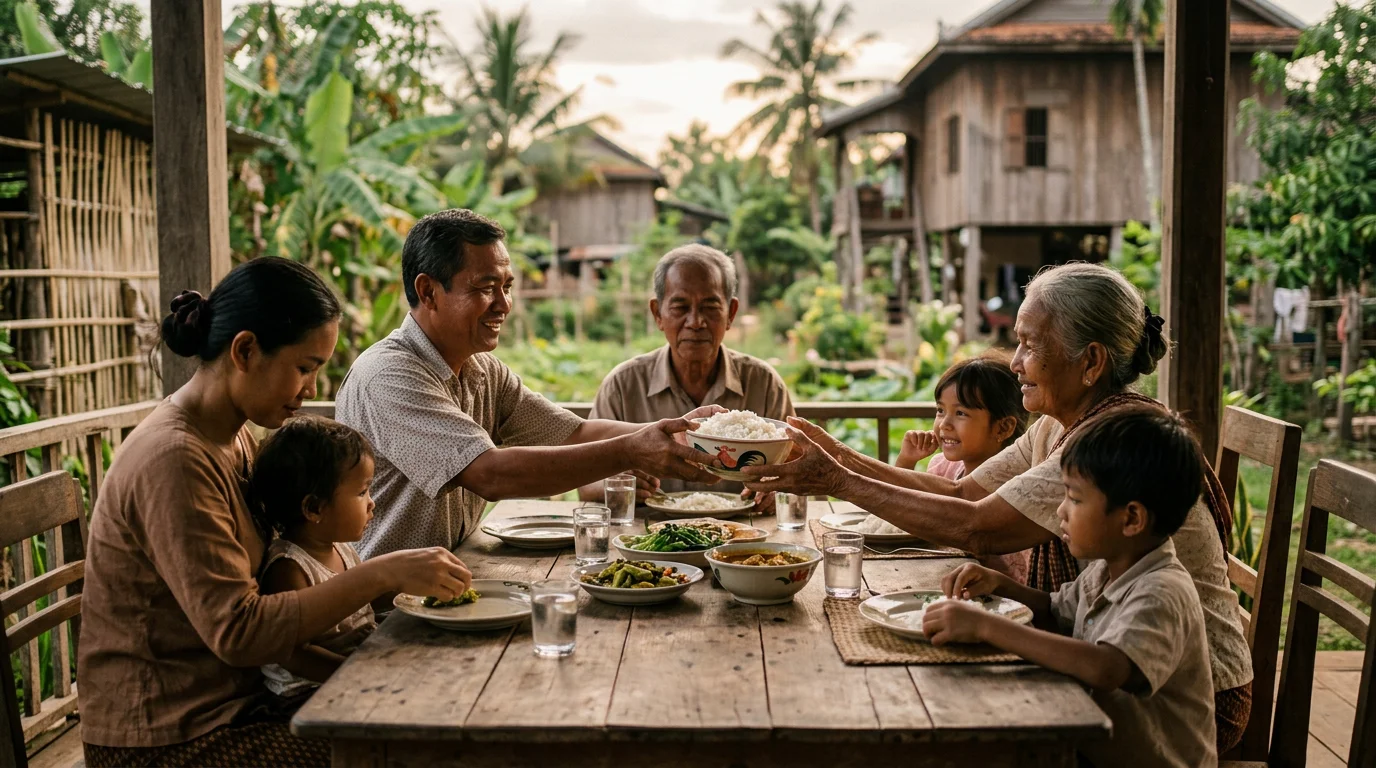
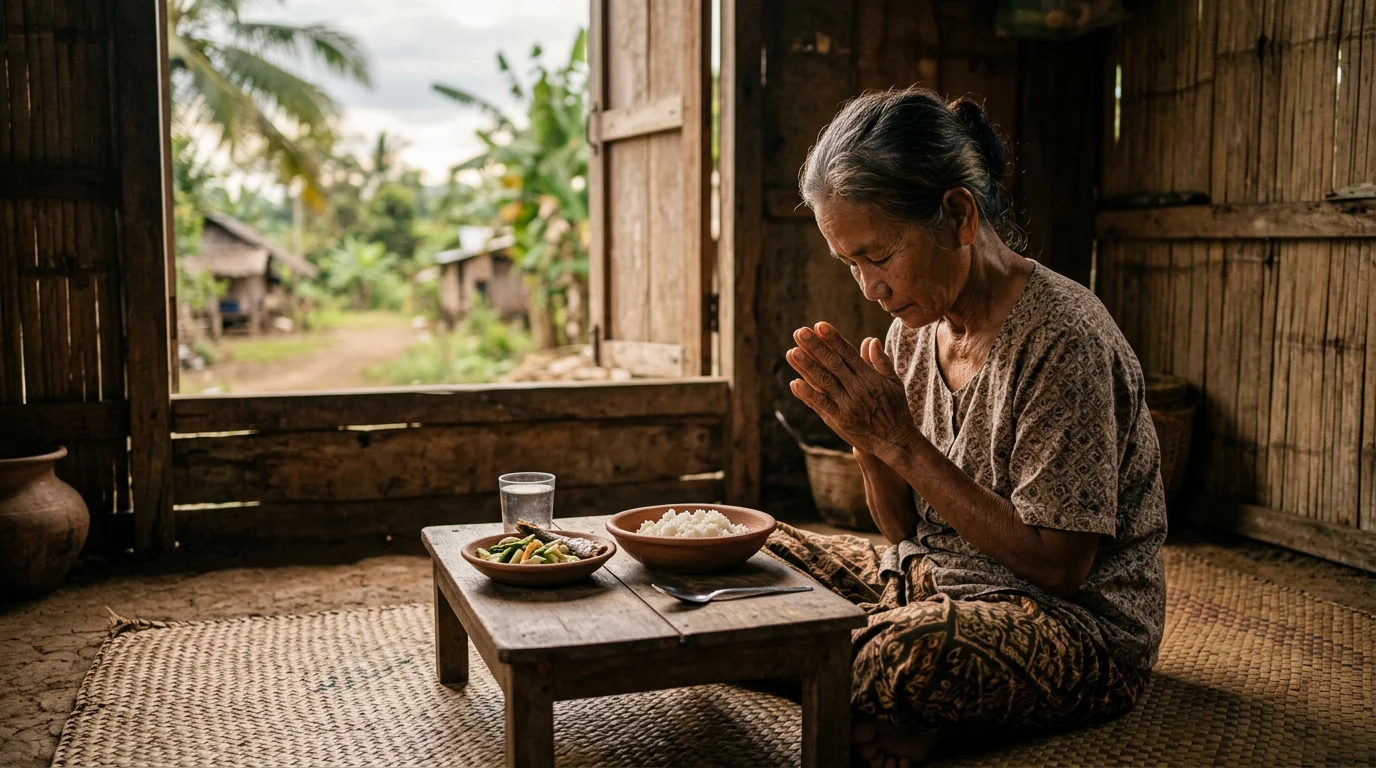
Imagine a family sitting down to a meal during a dry season. The harvest was small. The table holds rice and a little salt. There is not enough money for more. The mother pauses before the family eats. She folds her hands. She thanks God.
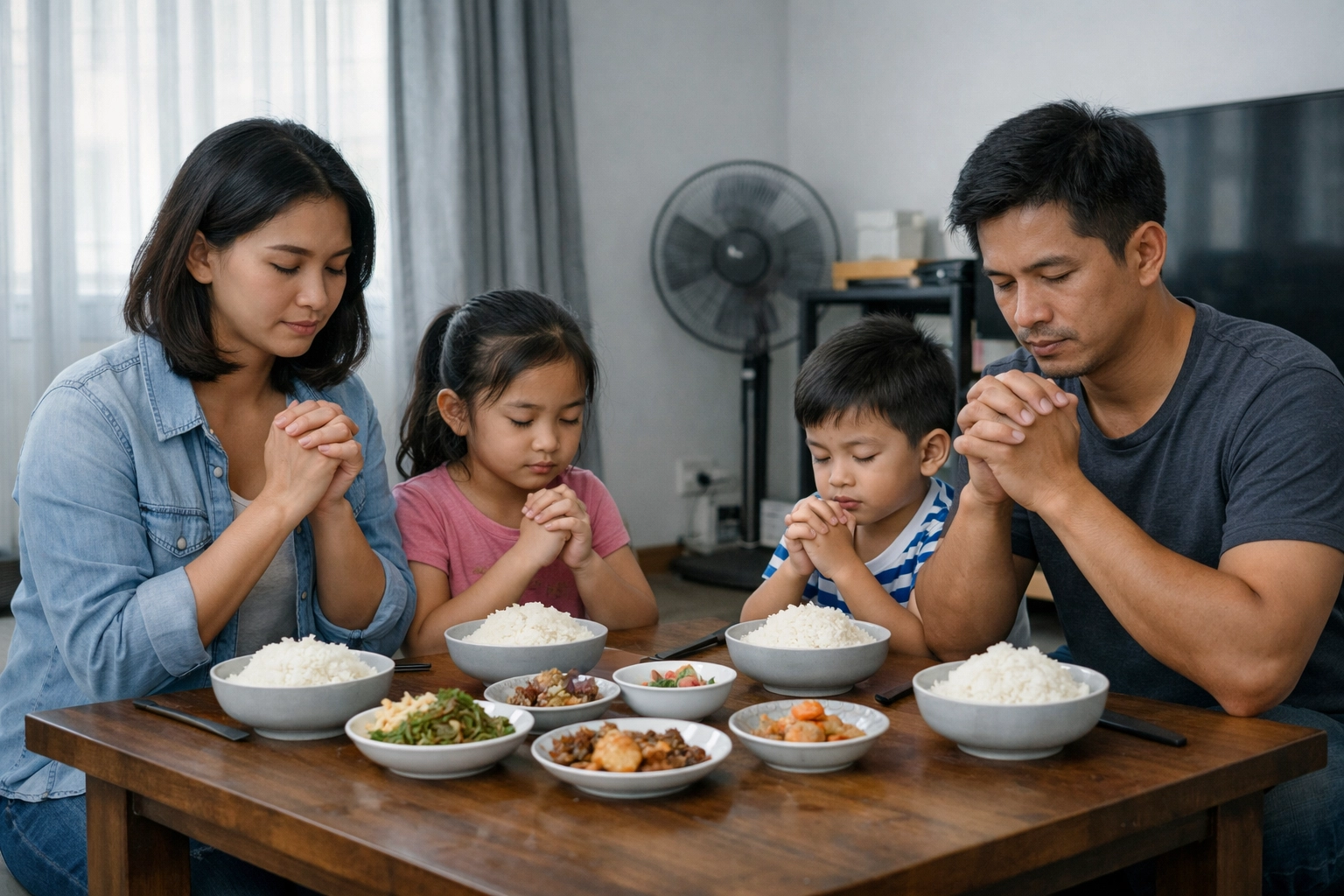
Not for abundance. For presence. For the food in front of them. For children who are still alive and healthy. For one more day.
This prayer is not a small thing. This is one of the bravest acts of faith you are able to witness. This prayer says: God, I see what I do not have. And I still choose to thank You for what I do have.
This is exactly what Paul was teaching. Thanksgiving is not about the size of your meal or your bank account. Thanksgiving is about the size of your trust in God.
When you choose gratitude in a hard season, you are telling God: I believe You are good. I believe You see me. I believe You are enough.
That kind of prayer does not just get the attention of God. This prayer reshapes your heart. This is part of forgiveness and letting go of what God has already released.
Live It Today
You do not have to wait until your circumstances improve to begin praying with thanksgiving. Start now, with what you have and where you are.
Write Down Three Specific Gifts
Before you pray today, take a piece of paper. Write down three things you are sincerely grateful for. These do not need to be large. A child’s laugh. Clean water. The fact you are breathing. Be specific. Do not write family. Write the name of the person. Specificity in gratitude is honesty before God.

Pray the Thanksgiving Before the Request
When you open your prayer today, spend the first two minutes giving thanks before you ask for anything. Name what God has already done. Name who He is. This is not a technique. This is a posture. This aligns your heart with the truth He is already working before you speak.
Choose One Daily Act as an Offering
Pick one ordinary action today: cooking a meal, walking somewhere, or beginning your work. Before you do this, say quietly: God, I offer this to You. Thank You I am able to do this. Practice Colossians 3:17 in one small moment. This single act of thanksgiving is able to begin changing how you see the whole day.
Return to Psalm 100:4 When Anxiety Rises
When fear or worry presses in, open your Bible or recall Psalm 100:4. Read this slowly. Say this aloud if you are able to. Enter His gates with thanksgiving. Let the truth of His presence be your first response to anxiety, not your last resort.
Thanksgiving Is Not Denial. This Is Defiance.
When you give thanks in the middle of hardship, you are not pretending the hardship does not exist. You are declaring the hardship does not have the final word.
God does.
Thanksgiving says: I am in pain, and I still trust You. This says: My situation is hard, and You are still good. This is the quietest and most courageous act of faith you are able to bring to God in prayer.
The thirty days of prayer you are walking through are not only about asking God for things. These days are about building a relationship with Him which is honest, deep, and steady. This is a relationship where you are able to come to Him with your grief and your gratitude in the same breath.
This is what prayer was always meant to be.
Continue the Journey
If this article has stirred something in your heart and you want to explore your faith further, you are welcome at Unbounded Knowledge. There you will find more teaching, devotionals, and resources to help you grow in prayer and in your walk with God. Browse our blog archive for more encouragement.
If you have personal questions about faith, about what following Christ means, or about salvation, reach out to Naleng Real at https://nalengreal.com. Naleng Real would be glad to walk that conversation with you.
I work with Cambodian and international Christian organizations, churches and Christian leaders to end gospel poverty, reaching the people at the marketplace through a holistic ministry approach.
Every article by Naleng →