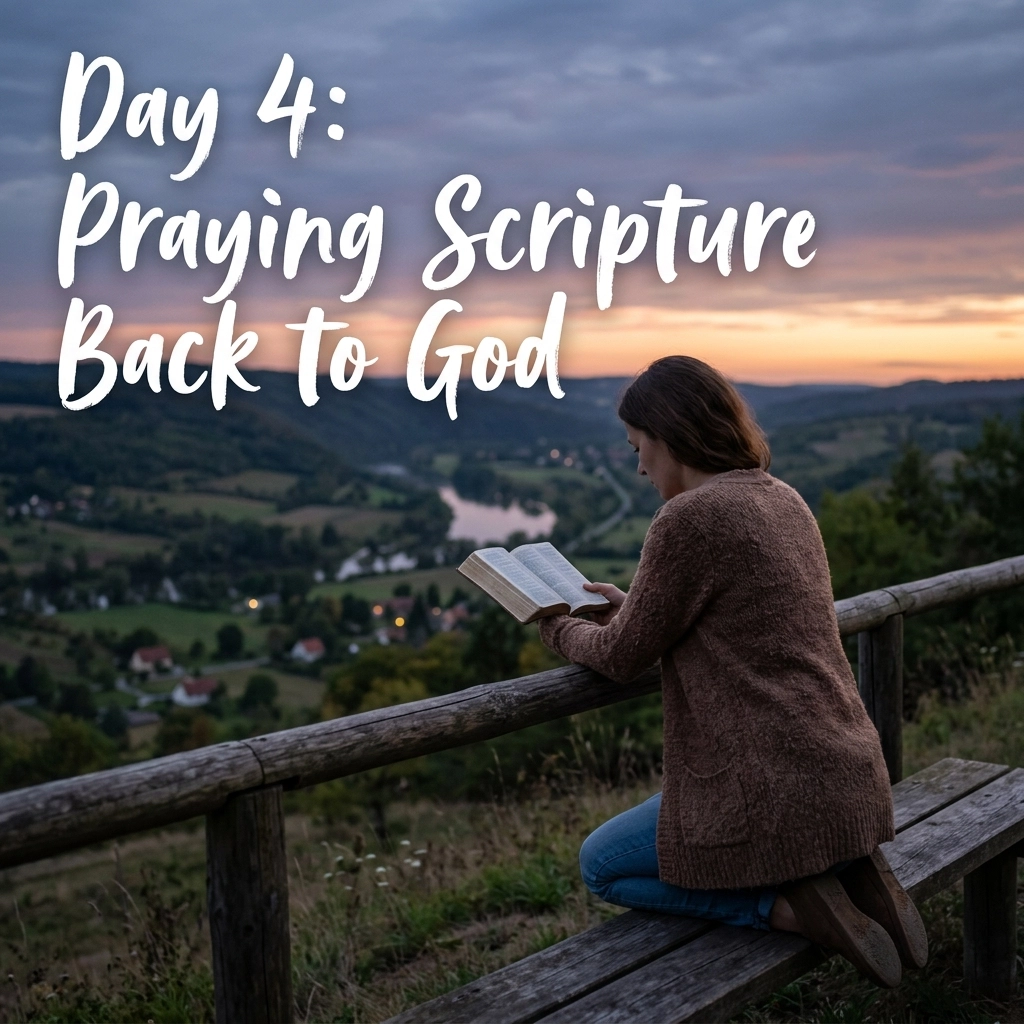

Prayer feels like a mystery. You bow your head, close your eyes, and then, silence. You are not sure what to say, or whether God listens.
Jesus knew this struggle. His disciples felt this too. One day they came to Him and said:
“Lord, teach us to pray” (Luke 11:1, NKJV)
They watched Him pray. They saw prayer in action. They wanted this power.
So Jesus gave them a gift. He gave them words. This is no formula to repeat without thinking, but a pattern to follow. A map for the heart. We call this the Lord’s Prayer (Matthew 6:9-13, NKJV), and today we walk through this together, line by line.
“Our Father in Heaven, Hallowed Be Your Name”
The prayer begins with a relationship, not a request.
Jesus teaches us to start with “Our Father.” This is not the language of a servant speaking to a distant king. This is the language of a child calling to a parent. God is not far away. He is close. He is personal. He knows your name.
Think about a family sitting together at the end of a long day. The rice bowl is passed around the table. Each person takes what is needed. No one grabs and runs. There is gratitude in the room, a quiet recognition of belonging to Someone who provides, who loves, and who is worthy of all honor.

“Hallowed be Your name” means: God, You are holy. Before we ask for anything, we take a moment to acknowledge who He is.
C.S. Lewis once wrote:
“I believe in Christianity as I believe the Sun has risen: not only because I see the Sun, but because by His light I see everything else.”
When we hallow God’s name, we are doing exactly this. We choose to see everything else by His light.
“Your Kingdom Come, Your Will Be Done on Earth as It Is in Heaven”
This line is an act of surrender.
You are saying: God, Your plans are better than mine. Your ways are higher than my ways.
Isaiah puts this clearly:
“For My thoughts are not your thoughts, nor are your ways My ways, says the Lord. For as the heavens are higher than the earth, so are My ways higher than your ways, and My thoughts than your thoughts” (Isaiah 55:8-9, NKJV)
Honest prayer is hard. We have our own plans. We want certain things for our families, our work, our futures. Faith is required to say: God, if Your will is different from mine, I choose Yours.

John Wesley understood this surrender. He wrote a covenant prayer which many Methodists still pray today, which includes the words: “I am no longer my own, but Yours.” This is the spirit of this line. This is not passive resignation. This is active trust.
“Give Us This Day Our Daily Bread”
Now the prayer turns to daily life. And notice: Jesus says asking is right.
God is not bothered by your needs. He invites you to bring them. Not once, but every day. “Daily bread” is no one-time request. This is a rhythm. Every morning you come back. Every morning you acknowledge you depend on Him.
Psalm 103:13 says:
“As a father pities his children, so the Lord pities those who fear Him” (NKJV)
God sees your situation. He knows whether you have enough money for food. He knows whether you are sick, exhausted, or afraid. He cares with the same tenderness a good father feels for a child needing help.
You are allowed to ask. In fact, He wants you to ask.
“And Forgive Us Our Debts, as We Forgive Our Debtors”
This line has two parts, and both are important.
The first part is a confession. We owe a debt we are unable to pay. Our sins, our failures, our falling short of God’s standard, these separate us from Him. But Jesus made a way. When we confess, He forgives. This is the promise of the gospel.
The second part is harder. We ask God to forgive us in the same way we forgive others. This is no transaction. This is a recognition a person who has received great mercy should be willing to give mercy.
Charles Spurgeon once said:
“Have you no tears for those who reject Christ? Then your faith needs examination.”
Spurgeon understood real faith produces compassion. Real forgiveness, received deeply, changes how we treat the people who have hurt us.
This part of the prayer is a daily examination. Who have I refused to forgive? Who am I still holding something against? God, help me release them, as You released me.
“And Do Not Lead Us Into Temptation, but Deliver Us from the Evil One”
This is an honest prayer about weakness.
You are not as strong as you think. Neither am I. We face real spiritual danger. Jesus told us to pray this line because He knew we would need this. He knows how temptation works. He faced temptation Himself (Matthew 4:1-11, NKJV).
To pray “deliver us from the evil one” is to acknowledge we are unable to fight spiritual battles on our own. We need God’s protection. We need His strength. We are asking Him to stand between us and what would destroy us.
A.W. Tozer wrote:
“What comes into our minds when we think about God is the most important thing about us.”
If you believe God is distant and indifferent, you will not cry out to Him when temptation comes. But if you believe He is close, powerful, and willing to help, you will run to Him first.
“For Yours Is the Kingdom and the Power and the Glory Forever. Amen.”
The prayer ends where the prayer began: with God.
Not with your needs. Not with your failures. Not with your fears. With God.
This final line is a declaration of faith. The line says: no matter what I am facing, You are still King. You still have all power. You still deserve all glory. And this will be true forever.
“Amen” means: I believe this. So be it.
What This Prayer Teaches You
The Lord’s Prayer is no ritual to rush through. The prayer is a structure for the heart.
The prayer teaches you to begin with worship, to surrender your plans, to ask for daily needs, to deal honestly with sin and forgiveness, to admit your weakness, and to end by trusting God’s eternal authority.
When you pray these words slowly, the words shape you. The words remind you of who God is, who you are, and what matters.
Live It Today
Find a quiet moment and read Matthew 6:9-13 aloud
Do not rush. Read each line slowly, as if you are hearing the line for the first time. Let the words settle in your heart before you move to the next line.
Choose one line which feels most difficult today
Maybe “Your will be done” feels hard and you are struggling to trust God with a hard situation. Maybe the forgiveness line feels hard and there is someone you have not released. Spend five minutes praying only one line. Be honest with God about what makes the line difficult.

Write down one specific need to bring in the “daily bread” section
God invites daily requests. Make yours specific. A situation at work. A health concern. A relationship needing wisdom. Bring the request to Him today and come back tomorrow with the same request if needed.
Before you sleep, say the final line as a statement of faith
“Yours is the kingdom and the power and the glory forever.” Let those words be the last prayer of your day, a reminder God holds everything, including whatever worries you right now.
Keep Going Through These 30 Days
This series is designed to build your prayer life one day at a time. If yesterday was Day 1 and today is Day 2, do not stop here. Each day adds something new. Each day strengthens what came before.
You can find the start of the series here: https://unboundedknowledge.org/day-1-prayer-begins-with-listening/
Prayer is no skill you master. Prayer is a relationship you grow in. And like any relationship, prayer deepens the more time you give.
If you have questions about prayer, about faith, or about beginning a relationship with Jesus Christ, reach out to Naleng Real at https://nalengreal.com. Naleng would be glad to talk with you about your faith journey, answer your questions, and point you toward hope.
You do not have to figure this out by yourself.
I work with Cambodian and international Christian organizations, churches and Christian leaders to end gospel poverty, reaching the people at the marketplace through a holistic ministry approach.
Every article by Naleng →