
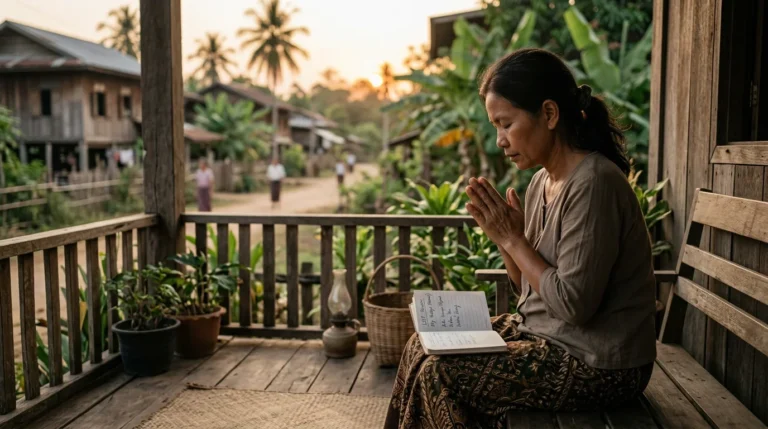
Prayer changes things. But intercessory prayer, the act of standing before God on behalf of someone else, may be one of the most powerful and least used gifts God has given His church.
Today is Day 5 of our 30 Days of Prayer journey. We turn our attention to a specific and urgent calling: praying for those around us who do not yet know Jesus Christ.
This is not a comfortable topic. It means holding people in your heart before God, people who may not want your prayers, who may not even believe God exists. And yet Scripture calls us to this work. It calls us clearly.
What Does the Bible Say?

The apostle Paul opens his first letter to Timothy with a direct command. He does not suggest it. He does not offer it as one option among many. He writes:
“Therefore I exhort first of all that supplications, prayers, intercessions, and giving of thanks be made for all men, for kings and all who are in authority, that we may lead a quiet and peaceable life in all godliness and reverence. For this is good and acceptable in the sight of God our Savior, who desires all men to be saved and to come to the knowledge of the truth.” (1 Timothy 2:1-4, NKJV)
Three things stand out here. First, Paul says this is the first thing, the priority of Christian prayer. Second, he says “all men,” which means no person is outside the reach of intercession. Third, he gives the reason: God wants all people to be saved and to know the truth.
Paul does not write these words without feeling them himself. In his letter to the Romans, he opens his heart completely:
“Brethren, my heart’s desire and prayer to God for Israel is that they may be saved.” (Romans 10:1, NKJV)
Paul prayed this for his own people, many of whom rejected Christ. He still prayed. That is intercession: praying with sincere desire for the salvation of others, even when there is no visible response.
The heart behind intercessory prayer is grounded in God’s own character. Peter reminds us of something that should stop us in our complaints about slow answers:
“The Lord is not slack concerning His promise, as some count slackness, but is longsuffering toward us, not willing that any should perish but that all should come to repentance.” (2 Peter 3:9, NKJV)
God is patient. His patience is not weakness. It is mercy. He is waiting for people to turn to Him. And while He waits, He calls us to pray.
Finally, the prophet Ezekiel records one of the most urgent images in all of Scripture. God speaks through him and says:
“So I sought for a man among them who would make a wall, and stand in the gap before Me on behalf of the land, that I should not destroy it; but I found no one.” (Ezekiel 22:30, NKJV)
God was looking for an intercessor. Someone willing to stand between His justice and a people who deserved judgment. He looked, and found no one. That image should stir something in every believer. Will we be the ones who stand in the gap? Will we be the ones who pray?
The Weight of Unanswered Prayer
Some of you have prayed for family members for years. A husband who refuses to come to church. A parent who says faith is for the weak. A brother who has heard the gospel and rejected it.
Charles Spurgeon, the great 19th-century English preacher, understood this kind of burden. He wrote:
“Visit many good books, but live in the Bible.”
He was a man saturated in Scripture, and the Scriptures convinced him of this: God’s word does not return empty. When we pray according to God’s will, and God’s will is that all should come to repentance, we are praying prayers that align with His heart. That does not mean the answer comes quickly. It means the answer will come.
A.W. Tozer, whose writing cut through shallow faith like a sharp knife, warned against a comfortable Christianity that neglects the spiritual condition of others:
“What comes into our minds when we think about God is the most important thing about us.”
If we truly believe God is a God who saves, who reaches into darkness to pull people into light, then we cannot keep that belief quiet. It must become prayer. It must become intercession. Tozer’s challenge is this: what you believe about God is shown in how you pray, or whether you pray at all.
John Wesley, who rode on horseback across England calling thousands to repentance, prayed with fierce consistency for the lost. His method was simple but serious. He prayed for specific people by name. He believed that God used the prayers of His people as part of His sovereign work of redemption.
Wesley said this:
“Do all the good you can, by all the means you can, in all the ways you can, in all the places you can, at all the times you can, to all the people you can, as long as ever you can.”
Praying for those who do not believe is one of the greatest acts of good we can offer them. They may never know we did it. That does not matter. God hears. God acts.
A Picture From Cambodia
Think of your village. Think of the road where you walk every morning. You know your neighbors: the family two houses down who burn incense at the spirit house before dawn, the young man who drinks with his friends every evening and laughs at faith, the elderly woman who was never told Jesus loves her.
Do you pray for them by name?
Praying for people by name is not a small thing. It is an act of love. It says: I see you. I know you. And I am bringing your name before the God who made you and who wants you to be saved.
This is intercessory prayer in daily life. You do not need a special building or a long education. You need a believing heart and a willingness to speak names to God.
Some Cambodian believers have kept a small list of neighbors’ names, written on paper or memorized, and brought those names to God every morning. Over months and years, some of those neighbors have come to faith. Others have not yet. The prayer continues.
This is the work Paul describes in 1 Timothy. This is the desire Paul expresses in Romans 10. This is the gap God is calling you to stand in, right in your own community.
Live It Today
 )
)
Write Down Three Names
Take a moment right now and think of three people in your life who do not know Jesus Christ. Write their names down. A neighbor, a family member, a coworker. These three names become the beginning of your intercession this week.
Pray for Each One Specifically
When you bring these names to God, do not pray in general terms. Pray specifically. Ask God to draw them to Himself. Ask Him to put someone in their path who will speak truth. Ask Him to remove whatever is holding them back from faith. Specific prayer reflects genuine care.
Ask God to Use You
Intercession is not only words. It is availability. Ask God whether He wants to use you as part of the answer to your own prayer. Perhaps He is calling you to speak to that neighbor. Perhaps He wants you to invite that friend to read the Bible with you. Ask, and listen for His answer.
Return to These Names Tomorrow
Intercession is not a one-time act. It is a discipline. Commit to praying for these three names every day this week. As you do, notice whether your heart toward them begins to change. When you pray for someone regularly, your love for them grows. That is one of the gifts of intercession: it changes the one who prays as much as it serves the one being prayed for.
Standing in the Gap
God looked for someone to stand in the gap, and found no one. That was the tragedy of Ezekiel’s time.
Today, He is still looking. He is looking for believers who will pray with genuine longing for the salvation of their neighbors, their families, and their communities. He is looking for people who believe that prayer is not passive but powerful.
You can be that person. You can stand in the gap for the people around you who do not yet know Christ. You can bring their names before the throne of grace with confidence, knowing that God hears, and that His desire for their salvation is greater than your own.
Paul’s prayer in Romans 10 was his heart’s desire. Let it become yours.
Pray today. Pray tomorrow. Pray the names you know. And trust that the God who is not willing for any to perish is working in ways you cannot yet see.
If you want to discuss your faith journey, learn more about prayer, or have questions about Christ, reach out to Naleng Real at https://nalengreal.com. Naleng would be glad to walk with you.
