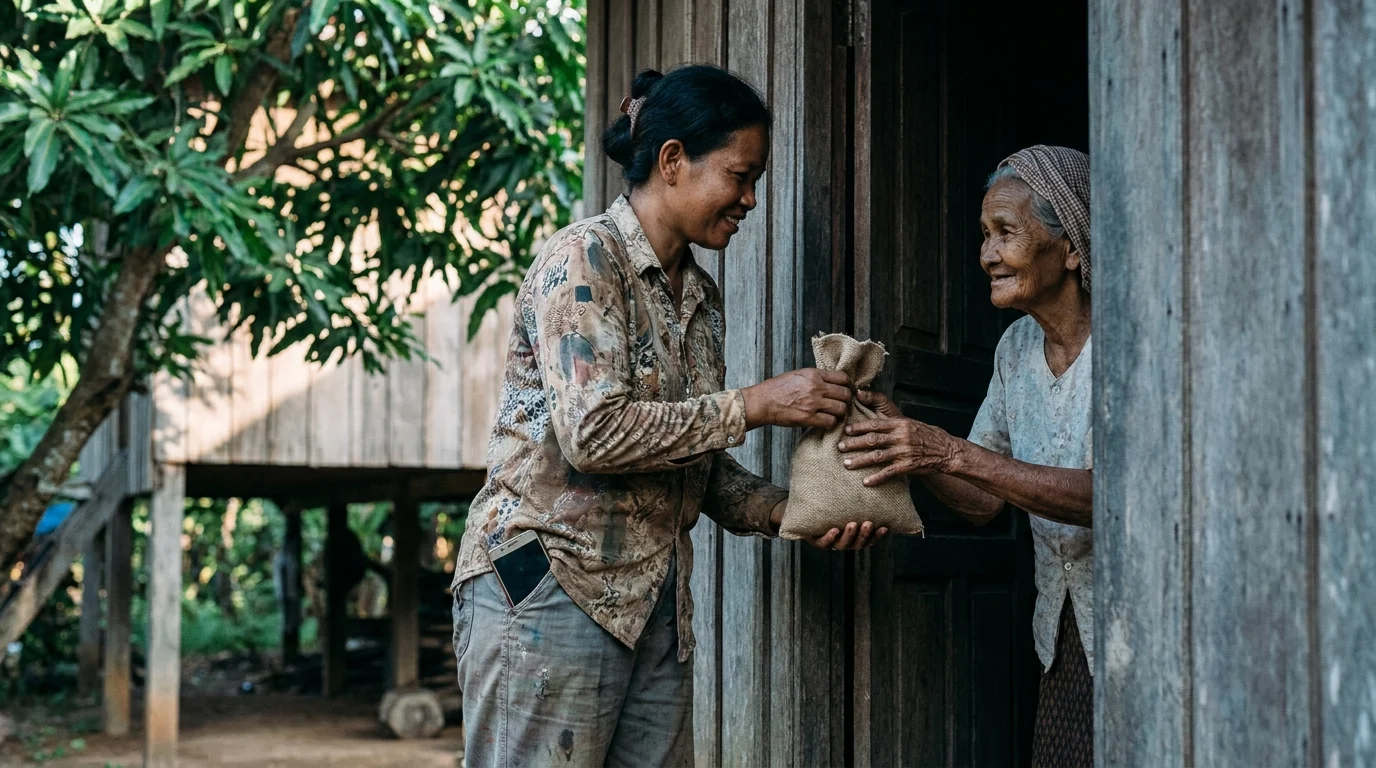

When you host a meal, you naturally invite your closest friends and family members. You expect warmth, pleasant conversation, and an invitation back to their table soon. In the ancient world, dinner parties were careful investments. People shared meals to protect their status, gain influence, and place their neighbours into social debt. Jesus entered one of these prestigious gatherings on the Sabbath and spoke directly to the host. He looked past worldly customs and called for genuine, sacrificial generosity. His command challenges how you treat people in your community today. By exposing selfish motives, He points you to the pure grace of His heavenly kingdom.
Confronting Transactional Hospitality in Luke 14
In first-century Jewish and Greco-Roman culture, an invitation to dinner served as a social contract. Wealthy leaders held banquets to display their wealth and build alliances. Every seat at the table carried an expected cost. Guests understood that a feast created an obligation to return the favour with another banquet, a business advantage, or public praise.
The Hidden Debt of Social Feasts
This system of reciprocal dining created an exclusive circle that kept needy people outside the gates. Hosts invited those who could repay them, while destitute people remained invisible and forgotten. Jesus exposed this selfish cycle during a Sabbath meal at the house of a leading Pharisee. He watched guests compete for the best places of honour, and then He addressed the host directly.
Jesus gave a clear instruction in the Gospel of Luke: “When you give a dinner or a supper, do not ask your friends, your brothers, your relatives, nor rich neighbours, lest they also invite you back, and you be repaid. But when you give a feast, invite the poor, the maimed, the lame, the blind. And you will be blessed, because they cannot repay you; for you shall be repaid at the resurrection of the just” (Luke 14:12-14).
A Command That Breaks the Cycle
The passage in Luke 14 inviting the poor presents a direct challenge to your natural instincts. Jesus orders you to open your door to individuals who have zero ability to return your kindness. He commands you to break away from social calculations and serve those whom society ignores.
When you welcome people who cannot repay you, your hospitality reflects the heart of God. You trade temporary praise for eternal blessing. God notices your quiet obedience and promises to honour your sacrifice when His kingdom is revealed in fullness.
The Kingdom Economy: Embracing Grace Over Social Return
God measures value by sacrificial love. Worldly culture teaches you to invest your time where you gain personal influence, public praise, or business advantages. The Lord calls you to live with a generous mindset rooted in His boundless grace. He invites you to walk in freedom from selfish ambition.
Understand the Nature of Divine Generosity
Earthly communities often operate on strict social exchange. People give gifts to receive gifts, and they offer hospitality to secure their own reputation. The kingdom of God functions on unmerited favour. God poured out His rich mercy on you when you were completely helpless and had nothing to offer Him.
You were spiritually bankrupt before the cross, yet Jesus died to welcome you into His eternal family. He paid your infinite debt through His own blood. When you extend kindness without demanding repayment, you show your community the true character of your Saviour.
Trust the Father for Eternal Reward
Earthly recognition satisfies you for only a brief moment. Human applause fades into silence, and material prestige disappears at the grave. The Lord directs your eyes toward heaven, commanding you to value His eternal approval above temporary human praise.
Following the command of Luke 14 inviting the poor requires active faith in God’s future promises. You willingly give up social status because you know your Heavenly Father sees every quiet act of service. He keeps perfect accounts, and He promises to honour your obedience at the resurrection of the just. His eternal joy far outweighs any earthly honour.
This divine promise transforms how you use your daily possessions and your home. View every plate of rice and every wooden stool as a tool to comfort the needy. Let your hospitality show your neighbours the unending kindness of God. Your quiet generosity glorifies Christ and spreads His light across your village.
Setting the Table: Practicing Radical Inclusion in Modern Christian Living
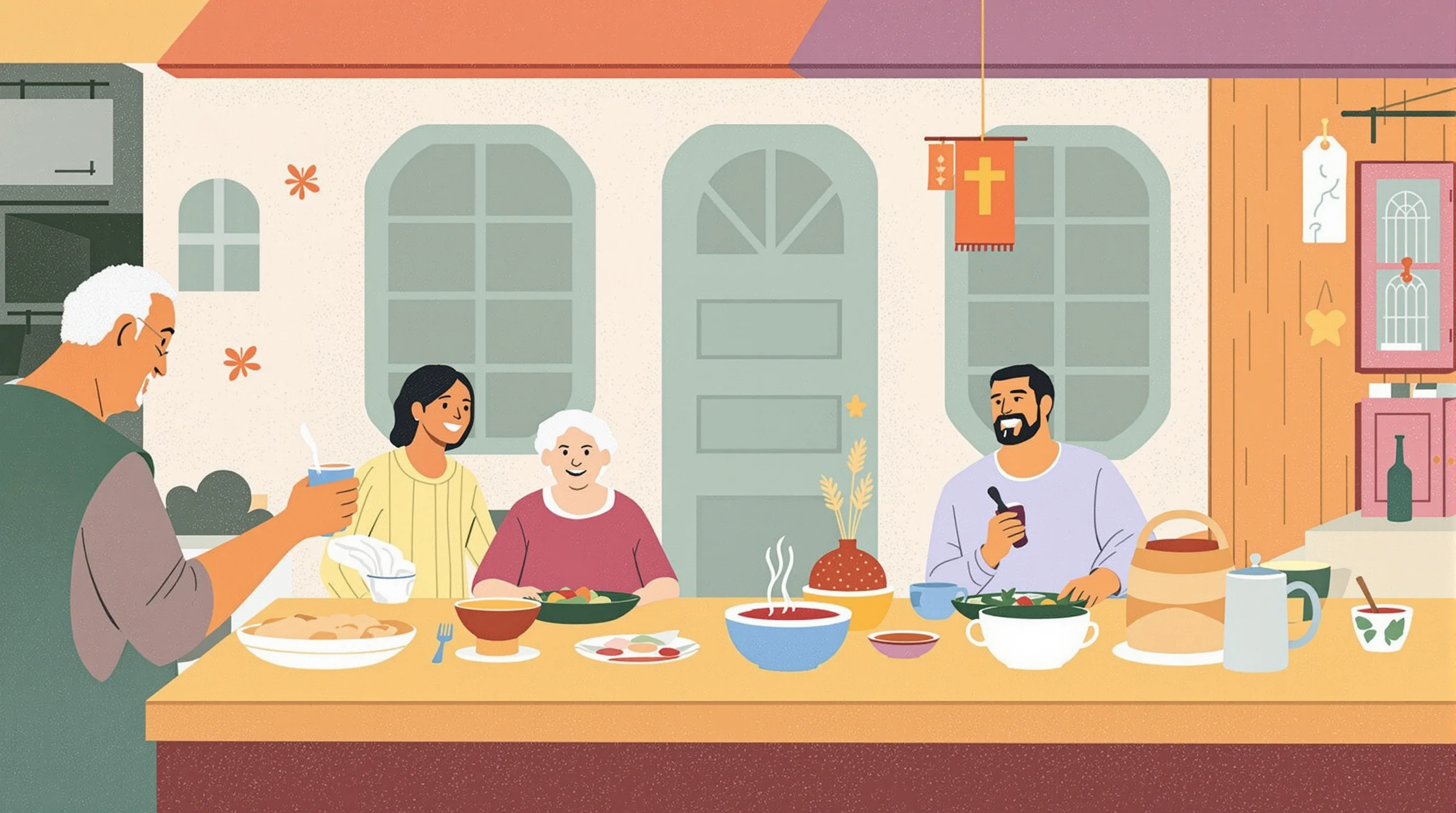
Jesus calls you to bring His kingdom into your everyday routines. Welcoming vulnerable people requires intentional choices with your time, your food, and your space. You can follow Christ by applying His command in simple, tangible steps right where you live.
Open Your Home to Vulnerable Neighbours
Look around your local street or village. Notice the elderly widow living alone, the family struggling to buy food, or the person with physical disabilities sitting outside the market. Invite them to your porch or your table. Share your midday rice and fish soup freely. Practising Luke 14 inviting the poor begins by opening your physical doors to those whom society often ignores.
Host Gatherings Without Demanding Repayment
Plan your next family celebration or holiday meal with an open guest list. Many people invite only village leaders, wealthy relatives, or business contacts who can return the honour. Break that pattern by reserving seats for families who cannot afford to cook a feast or bring a gift. Offer them the best portions and serve them with genuine joy.
Build Patient Friendships Across Social Barriers
Hospitality extends far beyond handing out plates of food. Sit down on the wooden bench, listen to their stories, and learn their names. Treat every guest as an honoured person created in the image of God. When you offer true fellowship alongside physical nourishment, you display the gentle heart of Christ to people who long for dignity.
Partner with Your Local Church Fellowship
Join with other believers in your congregation to serve marginalized groups. Pool your resources together to cook community meals for tuk-tuk drivers, street vendors, and orphaned children. Your united acts of love present a clear testimony of God’s grace to the surrounding community.
Key Takeaways
The command of Jesus in Luke 14 challenges human ideas about social status and personal gain. Christ actively welcomes the broken, the needy, and the outcast to His eternal feast. He gave His life to bring you into His family when you had nothing to offer Him.
Respond to His deep mercy with an open table and a generous heart. Reach out to the poor and isolated people in your neighbourhood with real affection. As you honour those who cannot repay your kindness, you show your community the selfless love of your Heavenly Father and lay up eternal treasure in heaven.
There is more to read at Unbounded Knowledge. Come back often.
If you have questions about Christ, or you want to talk about your own faith journey, reach out to Naleng Real at nalengreal.com. She will be glad to hear from you.
I work with Cambodian and international Christian organizations, churches and Christian leaders to end gospel poverty, reaching the people at the marketplace through a holistic ministry approach.
Every article by Naleng →