
What if you realized you were walking in the wrong direction? You’ve been traveling for hours toward what you thought was your destination, but now you see the truth: you’re lost, heading the wrong way, moving away from home. That moment of clarity, that painful recognition, and that decision to turn around, that’s the beginning of repentance.
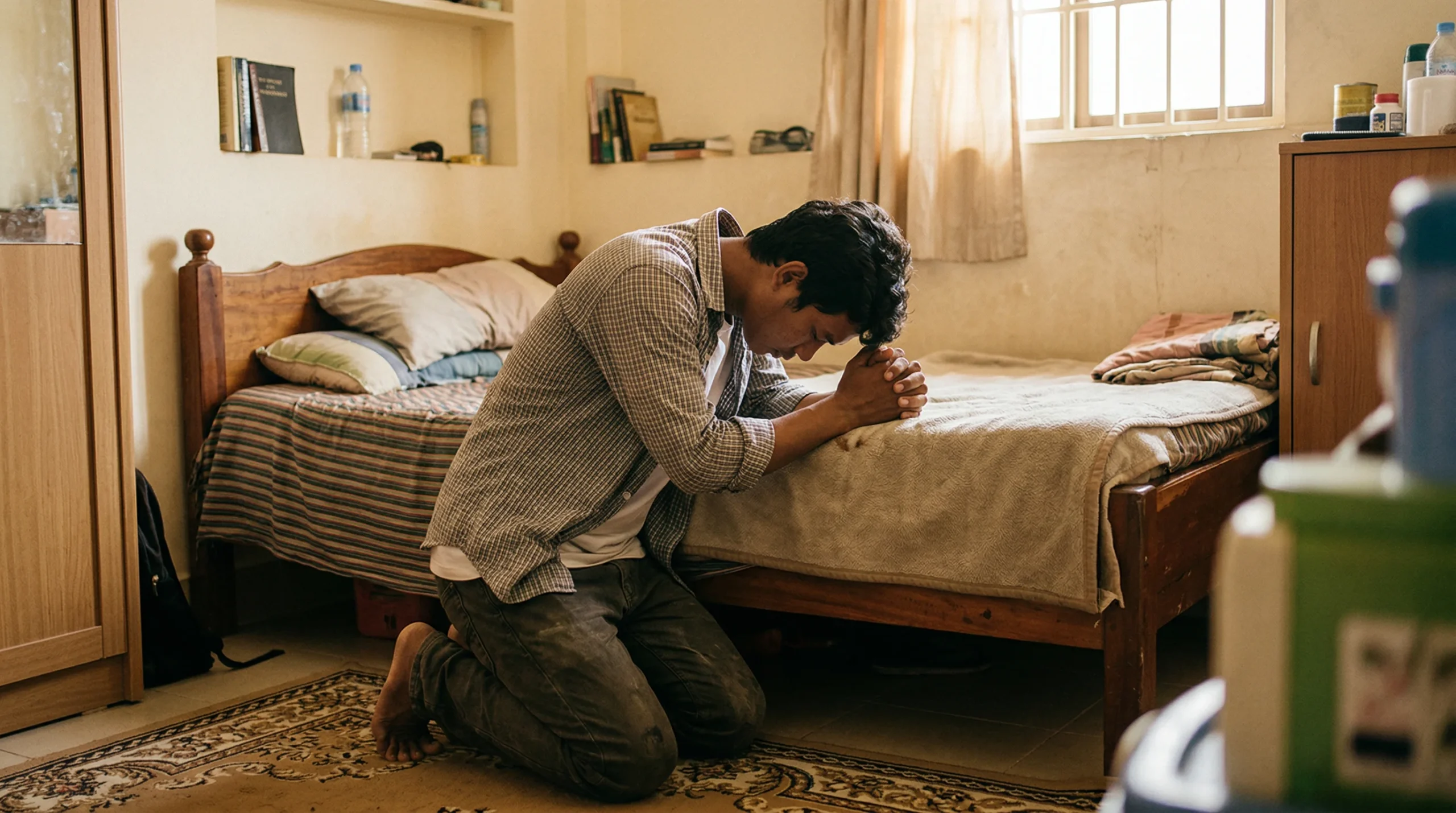
In the Christian faith, repentance is not simply regret or sorrow over sin. It is a complete turnaround. It is when you stop walking away from God and change direction entirely. You turn from sin and turn toward God. This is one of the most powerful and transformative experiences in Christian life, and it’s available to anyone who will seek God with a genuine heart.
Theological Meaning
Repentance comes from two ancient Greek words: “meta” (change) and “noeo” (mind). Together, they mean to change your mind so completely that your direction changes. It is more than feeling bad about your mistakes. True repentance includes sorrow for sin, a genuine desire to turn away from it, and a commitment to walk a new path. It is a gift from God and a human choice.
When you repent, three things happen at once. First, you acknowledge that you have sinned, that you have broken God’s law and moved away from His design for your life. Second, you feel genuine sorrow about that sin, not merely because you got caught or face consequences, but because you understand you have offended a holy God. Third, you make a deliberate choice to turn away from that sin and follow Christ instead. Repentance is not a one-time event at conversion. It is a lifelong pattern of the Christian life. When we stumble, we repent again, and God forgives us again.
What It Means for You
Imagine a young woman in a crowded market in Phnom Penh. She came from a village in the countryside, full of hopes and dreams. She wanted a better life, a higher income, respect. But gradually, step by step, she made choices that led her away from her family’s faith and values. She has been dishonest in her work, unkind to her friends, and careless with her body. Years have passed. One evening, sitting alone in her small rented room, she thinks of her mother back home, of prayers she once prayed, of the person she wanted to be. Suddenly, the weight of it all becomes clear. She has been walking away from God, away from goodness, away from home.
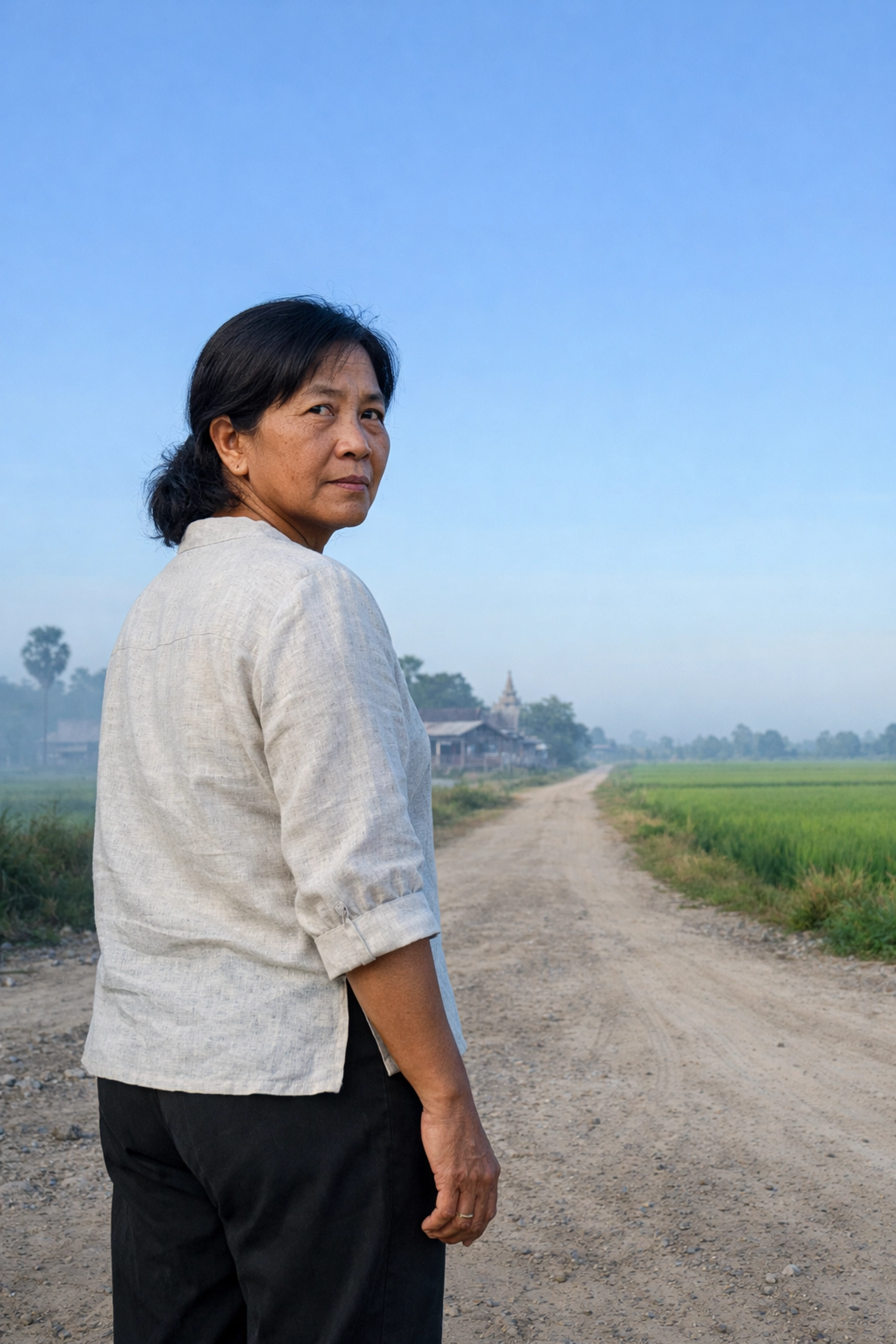
That is the moment repentance begins. Not in a church building, not during a sermon, but in a quiet room when the truth becomes unbearable. She understands what she has done. She grieves it. And she makes a choice: she will go home. She will return to faith, to integrity, to God.
Or think of a man who built his business through shortcuts and manipulation. Every success felt like a victory, yet every night he slept uneasily. His family grew distant from him. His friendships turned into transactions. One morning, during a quiet commute through the streets of Siem Reap, he hears a simple sermon on the radio about God’s grace and forgiveness. Something breaks inside him. He pulls over. He weeps. He sees himself as he actually is, and he sees God as He truly is. In that moment, he decides to rebuild his life on truth. That is repentance.
Repentance often comes suddenly, like a door opening. But it can also come slowly, as truth accumulates in your heart over months or years. What matters is that when it comes, it transforms everything. Your priorities shift. Your relationships change. Your daily choices align with a new direction. You are no longer walking away from God. You are walking toward Him.
Reference Scriptures on Repentance
**Luke 15:17-19 (NKJV)** “And when he came to himself, he said, ‘How many of my father’s hired servants have bread enough and to spare, and I perish with hunger! I will arise and go to my father, and will say to him, “Father, I have sinned against heaven and before you.”‘”
The prodigal son’s words capture repentance perfectly. He awakens to his condition and decides to return. Repentance is a return to God, acknowledging that you have missed the mark and that life apart from Him is emptiness.
**2 Corinthians 7:10 (NKJV)** “For godly sorrow produces repentance leading to salvation, not to be regretted; but the sorrow of the world produces death.”
There are two kinds of sorrow. One is temporary regret, the kind the world offers. The other is the sorrow that God produces in our hearts when the Holy Spirit opens our eyes. Godly sorrow leads to change. It leads to salvation and restoration.
**Acts 3:19 (NKJV)** “Repent therefore and be converted, that your sins may be blotted out, when the times of refreshing shall come from the presence of the Lord.”
When you repent, God offers refreshing. Your past is not held against you forever. Turning toward God opens the door to cleansing, renewal, and a new season of blessing in your life.
**Isaiah 55:7 (NKJV)** “Let the wicked forsake his way, and the unrighteous man his thoughts; let him return to the Lord, and He will have mercy on him; and to our God, for He will abundantly pardon.”
Repentance is an invitation to mercy. God does not stand waiting to punish those who turn around. Instead, He promises abundant pardon, endless mercy for those who genuinely return to Him.
**Romans 10:9 (NKJV)** “That if you confess with your mouth the Lord Jesus, and believe in your heart that God has raised Him from the dead, you will be saved.”
Repentance is closely linked to faith in Jesus. When you turn from sin and turn toward Jesus as your Lord and Savior, salvation is yours. Repentance and faith are two sides of the same coin.
Lessons from Great Evangelical Leaders, Preachers and Teachers of the Past
Jonathan Edwards (1703-1758) preached one of history’s most famous sermons, “Sinners in the Hands of an Angry God.” Edwards did not preach to make people feel comfortable. He wanted them to feel the weight of their sin and the reality of God’s holiness. Only then, he believed, would they repent genuinely. Edwards lived during the First Great Awakening, when thousands came to faith through real, transformative repentance. He taught that repentance was not a feeling that faded quickly but a fundamental turning that changed a person for life.
George Whitefield (1714-1770), a friend of Edwards and one of the greatest preachers of the age, preached to hundreds of thousands in open fields and streets. His cry was always the same:
“You must be born again.”
He called people to repent of their sin and trust in Jesus. Whitefield believed that without genuine repentance, a person’s faith was hollow. He did not offer easy answers or cheap comfort. He offered the hard truth: turn around, and live.
Dwight L. Moody (1837-1899) lived in a different age. By his time, cities were growing, technology was changing, and life seemed faster. Yet Moody’s message was the same as Edwards and Whitefield.
“The Bible will keep you from sin, or sin will keep you from the Bible,”
he said. Moody preached simple repentance to simple people. He believed that a factory worker, a shopkeeper, or a servant could have a genuine encounter with God and be transformed.
Live It Today
If you have never genuinely repented, today is the day to begin. Repentance is not a step you take once and then forget. It is a pattern you return to throughout your life, whenever you stumble, whenever you fail, whenever the Holy Spirit opens your eyes to sin you did not notice before.
Start by being honest.
Find a quiet place, alone with God. Think about the ways you have turned from Him. Where have you been selfish, dishonest, unkind, or unfaithful? Don’t rush this. Let the Holy Spirit guide you. It may be one specific sin, or it may be a pattern that has developed over years. Write it down if that helps. Name it. Confession is powerful. When you say it aloud or write it down, it loses some of its power to hide.
Next, grieve it.
This may sound strange, but it is essential. Don’t just acknowledge your sin intellectually. Feel the weight of it. Understand that sin is not a rule God made up to restrict you. It is a choice to turn away from the One who loves you most. Allow yourself to feel sorrow, not shame that crushes you, but genuine sorrow that leads to change. As Paul wrote, godly sorrow leads to repentance.
Then decide.
Make a clear choice to turn around. This is where many people stumble. They acknowledge sin and feel sorry, but they don’t actually choose to change. Jesus said, “Your sins are forgiven. Go and sin no more.” Repentance includes a commitment to walk differently. You may not be perfect. You will stumble again. But your direction changes. Your intention changes. You want to follow God instead of the sin that once pulled you away from Him.
Finally, ask for God’s forgiveness and help.
God does not withhold forgiveness from those who genuinely repent. The Bible promises that if you confess your sins, Jesus is faithful and just to forgive you and to cleanse you from all unrighteousness. But you also need His strength to walk the new path. Ask for that strength. Ask for the Holy Spirit’s power to help you say no to temptation and yes to righteousness.
Some of you reading this know you need to make a decision about Jesus Himself. You have lived your life without Him. You have turned away from God. If that is you, know that repentance and faith in Jesus Christ are available to you right now. You don’t need to clean up your life first. You don’t need to become good enough. You simply need to acknowledge your sin, turn from it, and trust Jesus as your Savior and Lord. That turning is repentance, and it is the most important turn you will ever make.
If you are already a Christian, repentance is not something that happened once at salvation. It is a daily practice. Each day, ask the Holy Spirit to show you sin. Each day, repent of ways you have turned from God. Each day, turn toward Him again. This is how Christians grow in holiness. This is how we become more like Jesus.
Where are you heading today? Are you walking toward God or away from Him? Are you walking toward the life He designed for you, or are you running from it? If you know you are heading the wrong direction, stop. Turn around. Come home. God is waiting for you, and His forgiveness is real.
Explore your faith further at https://unboundedknowledge.org/. For personal conversations about faith, salvation, or any questions about repentance, reach out to naleng@nalengreal.com.