



Baptism: The Believer’s Public Witness
You believed in Jesus. Something changed inside you. You know it. But does anyone else know it?
Baptism is God’s answer to that question.
It is not a private matter between you and God alone. It is a public declaration. A moment when you stand before others and say with your whole body: “I belong to Jesus Christ.”
Many new believers wonder whether baptism is truly necessary. Others have heard different teachings and feel confused. This article is here to give you a clear, biblical answer. Baptism matters. It is not an optional step. It is the believer’s public witness to a changed life.
What Baptism Is
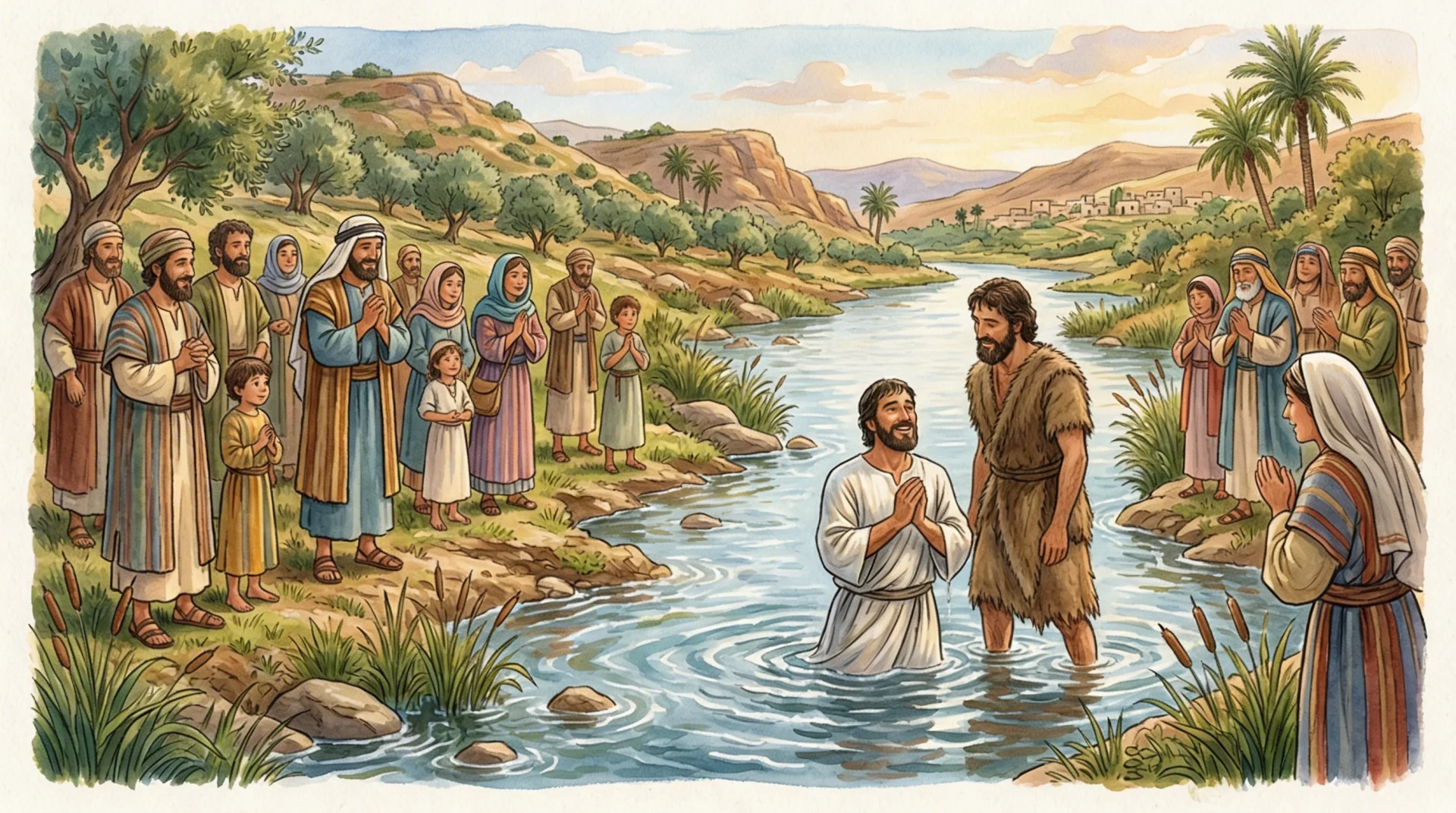
Baptism is the act of being immersed in water as a public declaration of faith in Jesus Christ. The word itself comes from the Greek word baptizo, which means to dip, plunge, or immerse completely. When you are baptized, you go under the water and you come back up. That movement is full of meaning.
Baptism is not a ritual that saves you. Salvation comes by grace through faith in Christ alone (Ephesians 2:8-9). But baptism is the outward act that shows what has already happened inside you. It is the public picture of an inward reality.
Charles Spurgeon, the great English preacher of the 19th century, said it plainly:
“Baptism is the answer of a good conscience toward God, the outward sign of an inward grace, and is intended to declare to all the world that we are not ashamed to own Jesus as Lord.”
Spurgeon understood that baptism is not about earning God’s favor. It is about declaring it openly.
What the Bible Teaches About Baptism
Four passages from Scripture form the foundation of what evangelical Christians believe about baptism.
Matthew 28:19 records the final command Jesus gave His disciples before He ascended to heaven:
“Go therefore and make disciples of all the nations, baptizing them in the name of the Father and of the Son and of the Holy Spirit.” – Matthew 28:19, NKJV
Jesus did not say baptism was optional. He commanded it as part of making disciples. To follow Christ fully is to be baptized in His name. This is the direct instruction of your Lord.
Acts 2:38 records Peter’s answer when a crowd asked what they should do after hearing the gospel:
“Repent, and let every one of you be baptized in the name of Jesus Christ for the remission of sins; and you shall receive the gift of the Holy Spirit.” – Acts 2:38, NKJV
Repentance and baptism are joined together in Peter’s answer. He did not separate them. The early church understood that believing in Jesus and being baptized belonged together as a single response to the gospel.
Romans 6:4 gives us the deepest meaning of what baptism represents:
“Therefore we were buried with Him through baptism into death, that just as Christ was raised from the dead by the glory of the Father, even so we also should walk in newness of life.” – Romans 6:4, NKJV
Going down into the water is a picture of death and burial. Coming up out of the water is a picture of resurrection. Your old life is buried. Your new life in Christ has begun. Baptism declares that truth to everyone watching.
1 Peter 3:21 describes baptism as an appeal to God from a clean conscience:
“There is also an antitype which now saves us—baptism (not the removal of the filth of the flesh, but the answer of a good conscience toward God), through the resurrection of Jesus Christ.” – 1 Peter 3:21, NKJV
Peter is careful here. He tells us that baptism does not save you by washing dirt off your body. What matters is the appeal of a sincere conscience toward God. Baptism is the moment you say publicly: “God, I am Yours. I trust You. I am done hiding.”
A Picture from the Rice Fields
In Cambodia, when a rice farmer has a strong first harvest, he does not quietly eat the rice alone. He brings a portion of the first harvest to God. He invites others to witness this moment. He stands before his community and publicly dedicates what God has given him.
Why does he do it publicly? Because the dedication means more when others see it. His community becomes witnesses. They know what he believes. They know who he trusts. That public act of dedication changes how he lives from that day forward. He cannot quietly walk away from what he declared in front of others.
Baptism works the same way.
When you go into the water and come up again, you are dedicating your life publicly to God. Your church becomes witnesses. Your family sees it. Your friends see it. You cannot quietly walk away from what you declared. Baptism plants a stake in the ground. It says: “This is who I am now. I belong to Jesus.”
Why Believers Sometimes Delay Baptism
Some believers wait for years before being baptized. They give different reasons.
- “I am not ready yet.”
- “I need to learn more first.”
- “I am afraid of what my family will think.”
- “I want to be more holy before I take this step.”
These feelings are real. But none of them are reasons to delay obedience to Christ’s command.
The believers in Acts 2 were baptized the same day they repented (Acts 2:41). The Ethiopian official in Acts 8 was baptized immediately after he understood the gospel (Acts 8:36-38). The Philippian jailer was baptized in the middle of the night, the very hour he believed (Acts 16:33). The early church did not wait. They obeyed quickly.
John Wesley, the founder of Methodism, saw baptism as a natural step of faith that should not be postponed. He wrote:
“The outward sign is intended to be the immediate, visible response to the grace God has already placed in the heart.”
Wesley understood that delayed obedience is still disobedience.
If you have believed in Christ but have not yet been baptized, this article is a gentle call: do not wait. Take the step.
Baptism and Your New Identity
Romans 6:4 tells us that baptism is not just a symbol. It is a declaration of identity.
Before Christ, you lived according to the old ways: sin, shame, selfishness, fear. That old life has died. When you came to Christ, something truly new began inside you (2 Corinthians 5:17). Baptism is the moment you show the world that the old is gone.
You are not the same person you were before.
Martin Luther, the great Reformer, understood this deeply. When he was tempted by sin or attacked by doubt, he would say to himself: “I am baptized.” He used baptism as a reminder of his identity. He did not lean on his own strength. He leaned on the public declaration he had made before God and the church.
“When the devil throws our sins up to us and declares that we deserve death and hell, we ought to speak thus: ‘I admit that I deserve death and hell. What of it? For I know One who suffered and made satisfaction in my behalf. His name is Jesus Christ, Son of God, and where He is there I shall be also.'”
Baptism reminds you of that. When you remember the moment you came up out of the water, you remember: I am raised with Christ. I am new. I belong to Him.
What Baptism Is Not
Because there is much confusion about baptism, it is worth being clear about what Scripture does not teach.
Baptism does not save you. 1 Peter 3:21 is explicit: the washing of the body is not what matters. Faith in Christ saves you. Baptism follows faith as its outward expression.
Baptism is not a merit badge. You do not become a better Christian or earn special favor by being baptized. It is an act of obedience and public witness, not a spiritual achievement.
Infant baptism is not what the New Testament describes. Every example of baptism in the New Testament follows personal repentance and faith. The pattern in Scripture is: believe, then be baptized. An infant cannot repent or profess faith. Believer’s baptism is the clear teaching of the New Testament.
Live It Today
Search the Scriptures on baptism this week
Read Matthew 28:19, Acts 2:38, Romans 6:4, and 1 Peter 3:21 slowly. Read them again the next day. Ask God to make the meaning clear to you. Write down what you notice.
Talk to your pastor or church leader
If you have believed in Christ but have not been baptized, go to your pastor this week. Tell him you are ready to take this step. Ask him what the process looks like in your church. Do not let another month pass without having this conversation.
Prepare your testimony
Before you are baptized, write down your story in simple words. When did you believe in Christ? What changed in your life? Sharing your testimony at baptism is a powerful witness to others. It does not need to be long. Three to five sentences is enough. Practice saying it aloud.
Pray for courage to go public
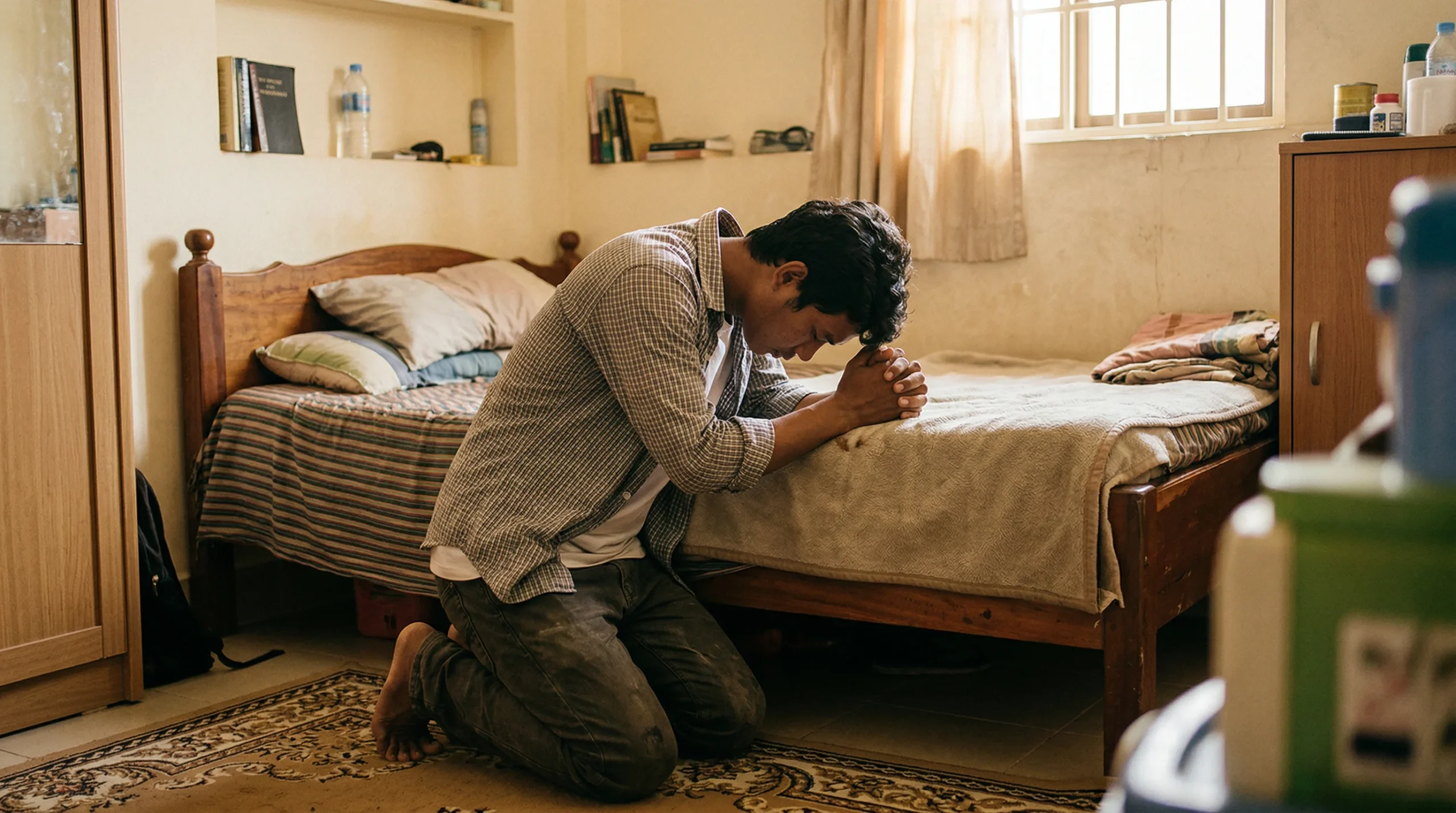
If you are afraid of what your family or community will think, bring that fear to God in prayer. Ask Him to give you the courage to obey. He does not ask you to be fearless. He asks you to obey Him even when you are afraid. Many believers in Cambodia have taken this step before you. God was faithful to them. He will be faithful to you.
Take the Step
Baptism is not the beginning of your faith. It is the public declaration of it.
You have already stepped into a relationship with Jesus Christ. Now step into the water. Let the church witness it. Let your community see it. Let your old life be buried and your new life in Christ be shown to the world.
Jesus commanded it. The early church practiced it immediately. The Scripture describes it as the answer of a good conscience toward God.
You are not waiting to become worthy. You are already made worthy through Christ. Baptism simply says out loud what is already true in your heart.
Go public with your faith.
If you want to talk about baptism, ask questions about what it means, or discuss where you are in your faith journey, reach out to Naleng Real at https://nalengreal.com. Naleng is here to walk with you.